Pest guides / Rats and mice
Rat or mouse? What the droppings tell you
Size, shape and where you find them say more about what is in the house than any noise in the night. A plain guide to reading the evidence.
10 February 2026 · 5 min read
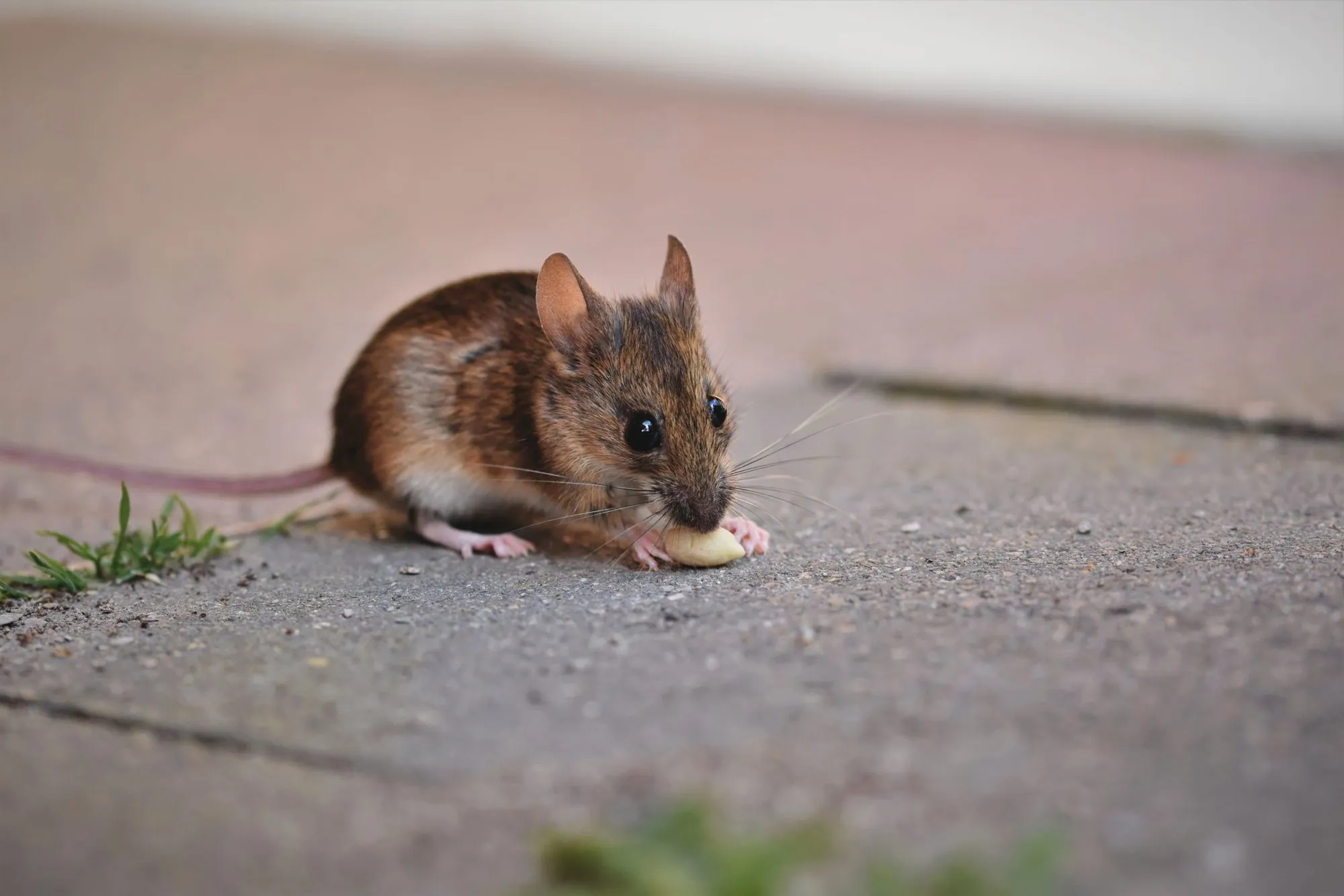
A noise in the ceiling could be a mouse, a rat, a squirrel or a bird. Droppings settle the question, and they are usually the first physical sign people find.
Size and shape
Mouse droppings are small, about 3 to 6mm, pointed at both ends and scattered. Mice drop as they go, so you find them spread along a route: the back of a cupboard, the top of the kitchen units, the loft boards by the hatch.
Rat droppings are much bigger, 10 to 20mm, blunt at the ends and usually in small groups. Rats tend to use the same few spots, often at the edge of a run.
Fresh or old
Fresh droppings are dark, shiny and soft. After a few days they dry out, turn grey and crumble when touched with a stick (never your fingers). If everything you find is old, the activity may have stopped. If there are fresh ones among the old, they are still there.
A simple test: clear an area completely, then check it again in two days. New droppings mean an active problem.
Where you find them matters
Droppings in the loft and ceiling void, with nothing in the kitchen, often point to mice coming up the cavity from outside. Droppings under the sink or behind the dishwasher suggest a route along the pipes. Rat droppings indoors at ground level can mean a damaged drain, which is worth mentioning when you book.
What to do next
Wear gloves, spray the droppings with disinfectant, wipe them up with kitchen towel and bag it. Do not sweep or vacuum dry droppings, which puts dust in the air. Then book a survey: finding the entry point is the part of the job that stops them coming back.
Rats and mice: from £135, 3 visits
Same day if you book before 1pm on a weekday.